When a marriage ends, it can take away routines, friendships, confidence, and the future you once pictured. Serious illness can make your own body feel strange. Loss is not always about funerals; it can also mean miscarriage, disability, divorce, or letting go of a dream.
Advice is not always what helps most at first. Sometimes, hearing another woman’s honest story can help you understand feelings you have struggled to name. These recent Christian memoirs for women explore divorce, illness, grief, and changing faith without turning every painful experience into a simple lesson.
How These Christian Memoirs Were Chosen
Each book shares a woman’s real-life experience, showing how faith helps her face suffering. The main struggles in these stories reflect the questions many readers have after divorce, a serious diagnosis, or personal loss.
I included my own memoir in this list because it brings together all three experiences.
| Book | Central Experience | May Help Readers Facing |
| Finally Got My Ssshh…OUT!! | Brain surgeries, divorce, miscarriage | Several losses at once |
| Awake | Betrayal and divorce | Identity loss after marriage |
| Singing Through Fire | Chronic illness and terminal cancer | Illness, caregiving, grief |
| Fearfully and Wonderfully Broken | Disability and daily seizures | Life after a serious diagnosis |
| Finding Joy in the Journey | Injury, divorce, spiritual rebuilding | Heartbreak and lost direction |
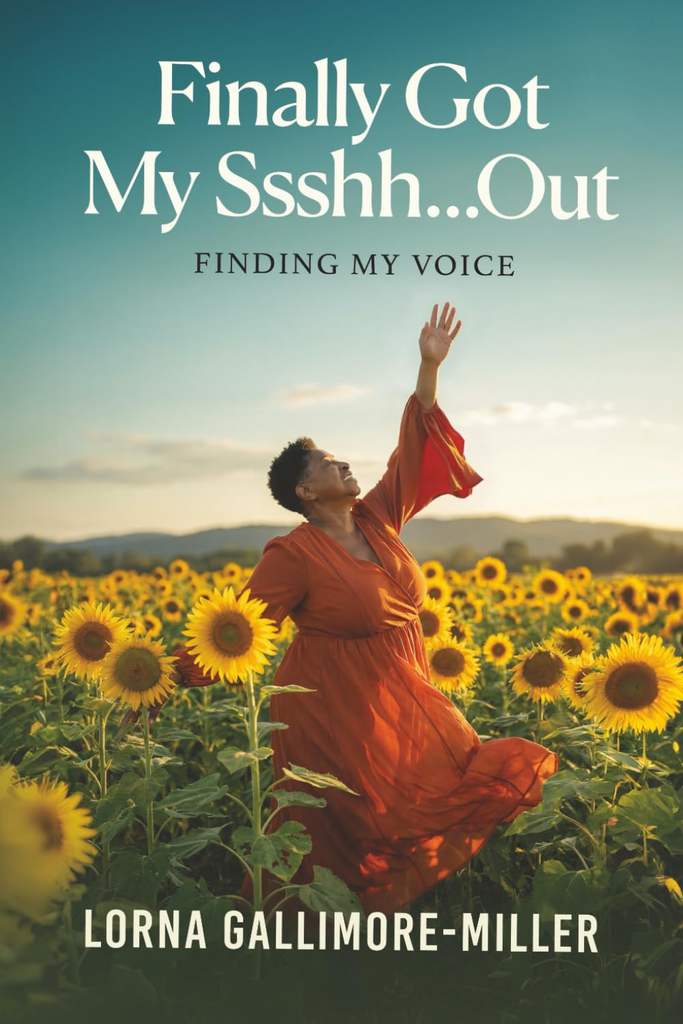
1. Finally Got My Ssshh…OUT!!: Finding My Voice by Lorna Gallimore-Miller
I grew up in Jamaica as the daughter of an Apostolic preacher. Faith shaped my childhood, along with a sense of duty, discipline, and the habit of keeping hard experiences to myself.
In Finally Got My Ssshh…OUT!!: Finding My Voice, I share my experiences with miscarriage, a nursing dream that was cut short, four brain surgeries, radiation, and rehabilitation. I had to learn again how to walk, talk, eat, and swallow. Years later, my marriage of nearly forty years ended in divorce.
The book shows how medical trauma and emotional loss are connected. Both changed my independence, relationships, and sense of self. Each chapter includes reflections to help readers look at their own lives, but I do not present my choices as a one-size-fits-all recovery plan. Women carrying different kinds of grief may relate to the exhaustion of facing one crisis while another is still happening.
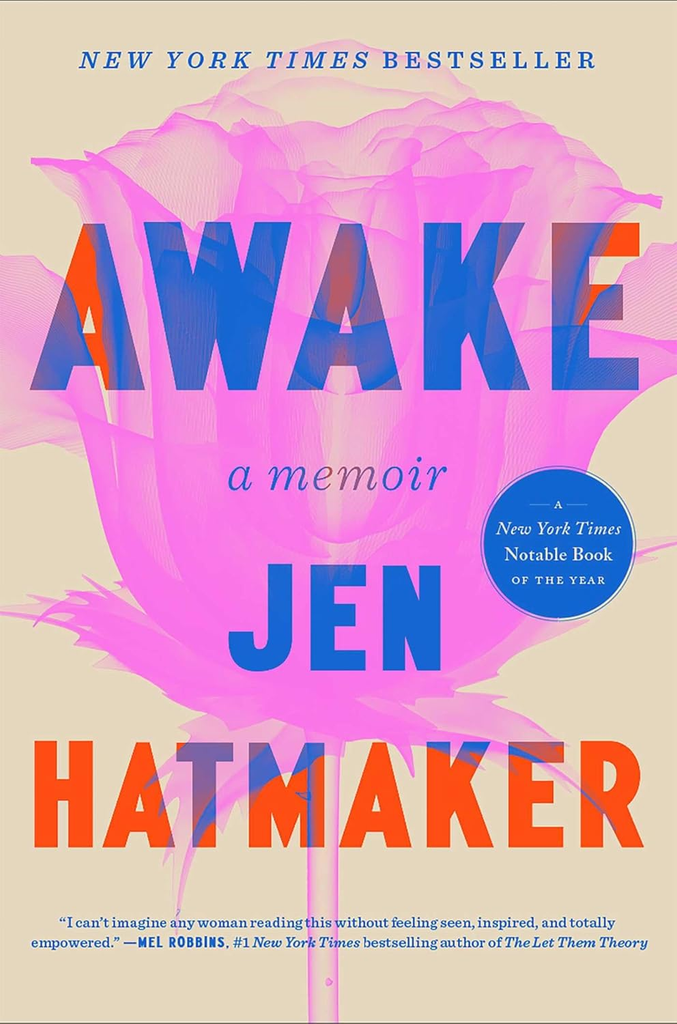
2. Awake: A Memoir by Jen Hatmaker
Jen Hatmaker’s life changed when she learned her husband had been unfaithful and her twenty-six-year marriage ended. Awake tells the story of her divorce, but it also examines how Hatmaker’s identity was shaped by marriage, religious expectations, and a desire for others’ approval.
She talks about body shame, losing herself, anger, desire, and the fear of starting over in midlife. Her faith changes as the story goes on. Readers looking for traditional devotional advice should know that Hatmaker questions some parts of the religious culture she grew up with.
For women rebuilding their lives after betrayal, Hatmaker’s honesty may be the book’s greatest strength. She describes the practical and emotional confusion that can come after divorce, especially when marriage has shaped almost every big decision.
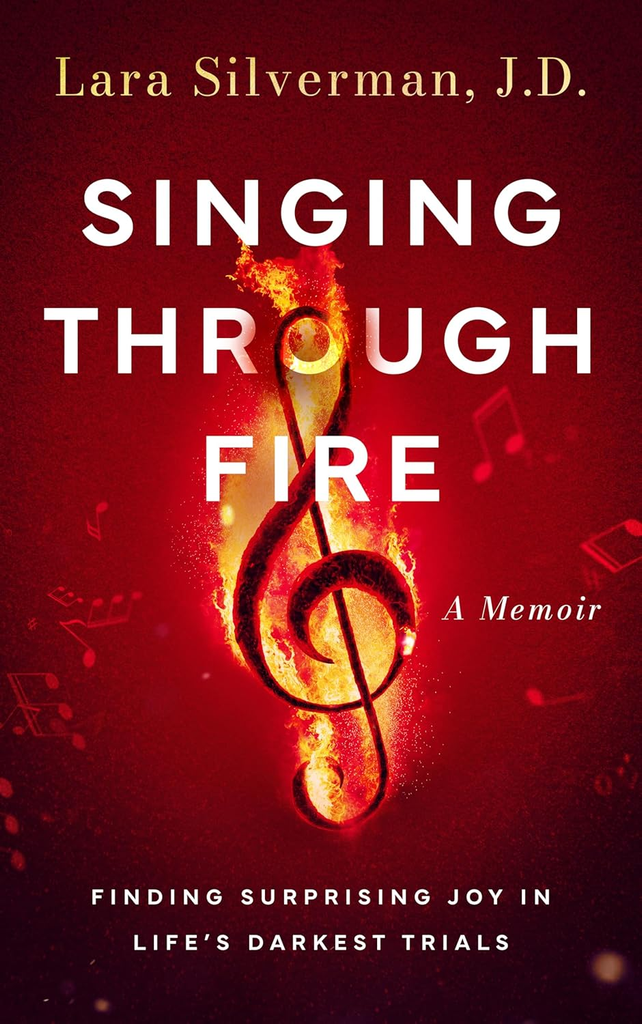
3. Singing Through Fire by Lara Silverman
Lara Silverman seemed to have a bright legal career ahead of her until she collapsed at work. Chronic illness kept her mostly bedridden for four years. During that time, she met Matthew, a youth pastor and professor who was living with terminal cancer.
Their relationship adds tenderness, humor, fear, and anticipatory grief to a story already shaped by physical limits. Silverman does not see suffering as a sign of weak faith. She struggles with questions about God’s goodness while describing bodies that do not heal as quickly as people hope.
Singing Through Fire may connect most with readers living with chronic illness, caring for someone with cancer, or grieving an uncertain future. The book makes room for joy even when pain is still present.
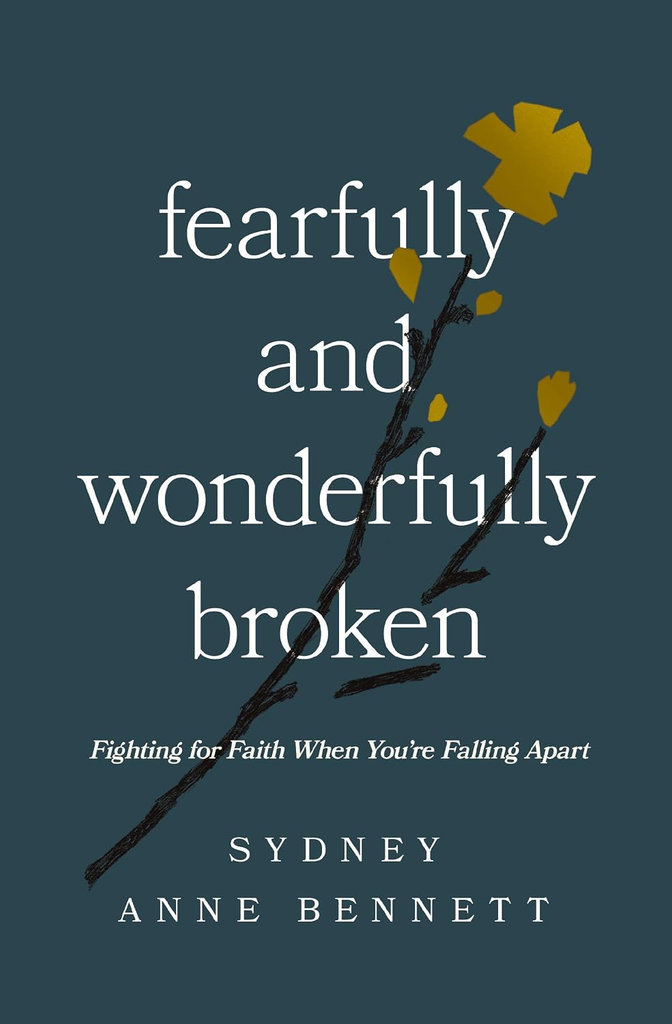
4. Fearfully and Wonderfully Broken by Sydney Anne Bennett
Just two weeks after her honeymoon, Sydney Anne Bennett became disabled. Functional Neurological Disorder caused daily seizures, chronic pain, limited mobility, and a sudden need to rely on others.
Bennett writes while still living with illness, not after being cured. She talks about unanswered prayers, strained relationships, disappointing responses from her church, and losing everyday freedoms. Her Christian faith is still at the center, even though certainty is hard to find.
This memoir may help women whose diagnosis split their lives into “before” and “after.” It also questions the idea that productivity or independence defines a person’s value. Readers who feel unseen because their illness is invisible or misunderstood may find the recognition they need here.
5. Finding Joy in the Journey by Chandler Bergeron
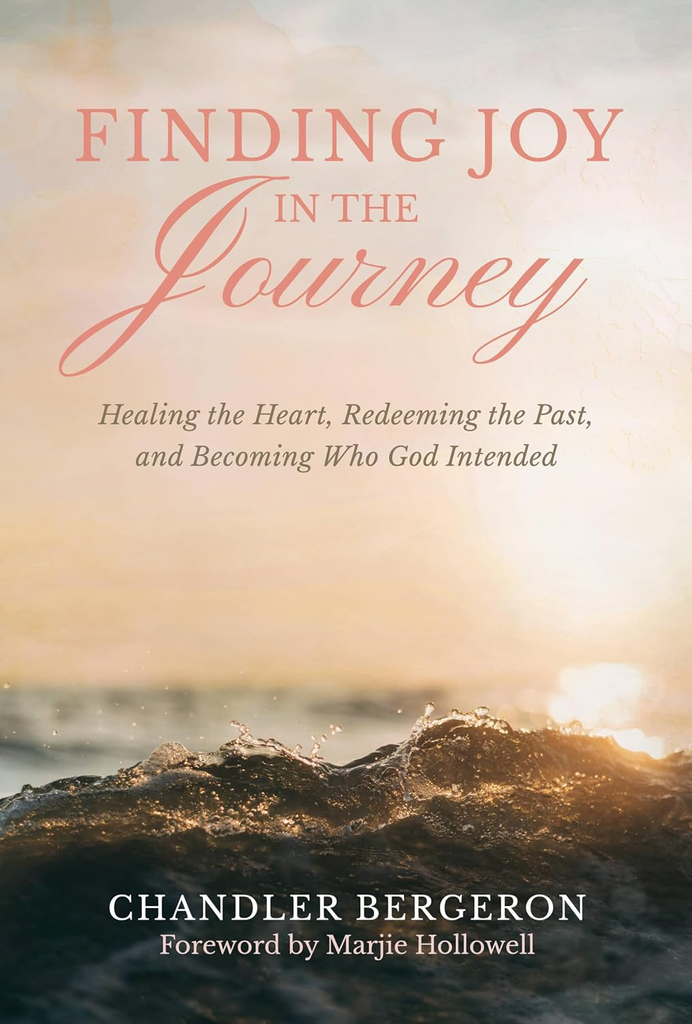
Chandler Bergeron once based much of her identity on athletic ability and achievement. A physical injury changed that. Divorce, heartbreak, and spiritual confusion came next.
Finding Joy in the Journey blends memoir with Scripture, prayer, and reflection. Bergeron looks at what happens when achievements no longer bring confidence and relationships no longer offer security. Her story is about rebuilding life even when some questions are still unanswered.
This book is a good fit for readers who want personal stories with a strong devotional focus. Women recovering from divorce or injury may relate to its focus on lost identity. That topic often becomes important during recovery, as discussed in Reclaiming Your Identity After Life Changes Everything.
What an Honest Memoir Can Offer
A memoir is not a substitute for medical care, counseling, legal advice, or trusted pastoral support. But it can help ease the loneliness that often comes with painful change. An honest story can give you words for your grief, permission to ask questions, and proof that faith can last through uncertain times.
The right memoir will not give everyone the same answer. It may simply help you feel understood, so you can take your next honest step.